Technical and Cultural Visits
As part of WDSA/CCWI 2026, a selection of Technical and Cultural Visits will be offered to registered conference participants.
A Cultural Visit has been arranged for all registered conference participants on Wednesday, 22 May, at the Ancient Theatre of Kourion, before the Banquet Dinner.
Two (2) Technical Visits have been arranged on Friday, 22 May, from 9:00 a.m. to 12:00 p.m. (expected return to the pick-up location by 13:00), at the following locations:
- Asprokremmos Water Treatment Plant
- Paphos Desalination Plant
For the Technical Visits, registered participants will receive a dedicated link to sign up and reserve a spot. Places for the Technical Visits are limited. Where demand exceeds capacity, priority will be assigned based on the date of conference registration (earlier registrations receive priority).
Further information on the cultural and technical visit sites is provided below.
Ancient Theatre of Kourion Tour

House of Eustolios, Ancient Kourion
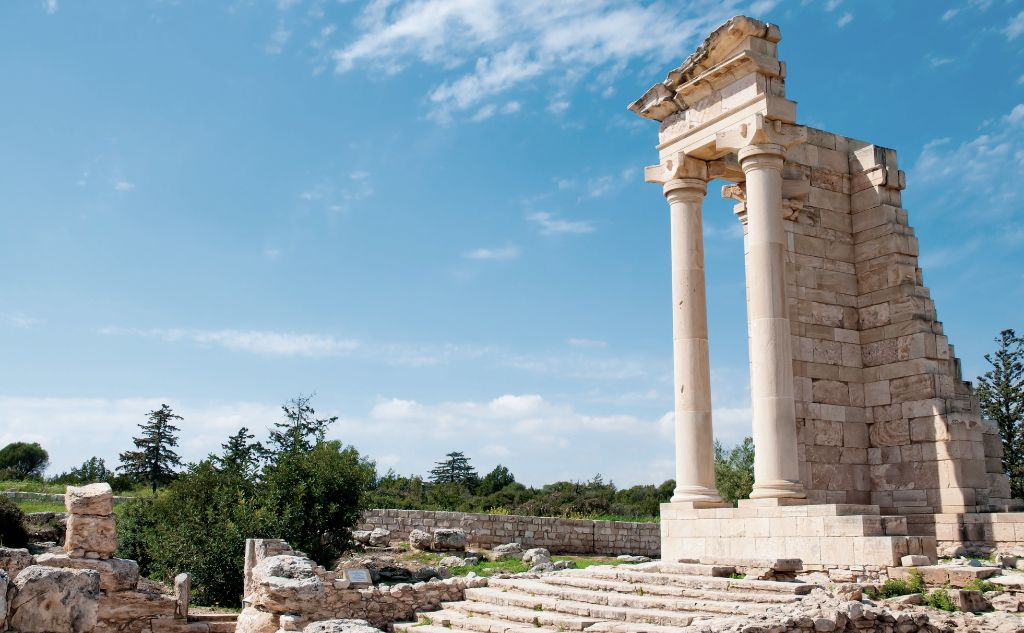
Ruins of the Sanctuary and Temple of Apollo Hylates, Kourion, Cyprus
“This tour to Ancient City of Kourion takes us on a historical, visual and a mythical journey.’
The tour begins with the Ancient City of Kourion. Kourion is considered to be one of the most important Archaeological sites all over Cyprus, as it was one of the 11 cities that were established by the surviving Myceneans from Argos Peloponnesus, that found refuge in Cyprus around the 12th BCE. Today, amongst other excavation, Kourion holds the 4th Century AD House of Efstolios – an estate that has extraordinary Proto-Christian mosaics, along with the Roman- styled baths where the ancient floor heating system is still visible to this day. Furthermore, during the Kourion tour, the group will have an opportunity sightseeing the Ancient Greek Theatre that was constructed at the end of the 2nd BCE, during the Ptolemy rule over the island and it’s still in use, where every summer the Department of Antiquity in association with the Cypriot Theatrical Organization organizes ancient Greek tragedy and comedy theatrical plays.
Technical Visits
Asprokremmos Water Treatment Plant
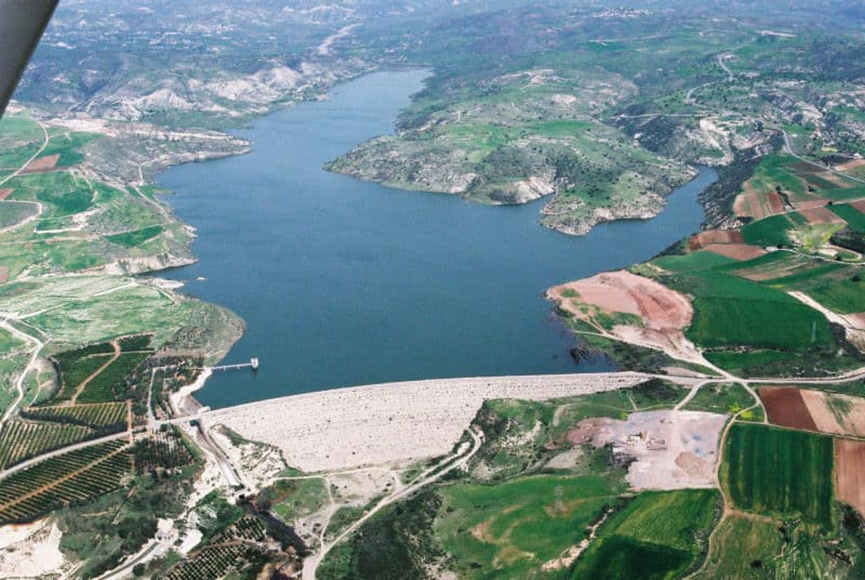
The “Asprokremmos Water Treatment Plant” is a critical drinking-water infrastructure asset for the Paphos District in Cyprus, producing potable water primarily from the Asprokremmos and Kannaviou Reservoir. The plant is a key pillar of supply for the urban and peri-urban area of Paphos, with a production capacity of approximately 32,000 m³/day. An ongoing expansion is expected to be completed by February 2026 to raise total capacity to about 42,000 m³/day. This technical visit offers participants a field-level view of how a major surface-water treatment facility under the Water Development Department is operated and upgraded to maintain drinking-water quality and resilience, including the implementation of activated carbon filtration to improve taste/odour as well as On Site Chloride Dioxide and to improve the process and reduce certain disinfection by-products.
Paphos Desalination Plant
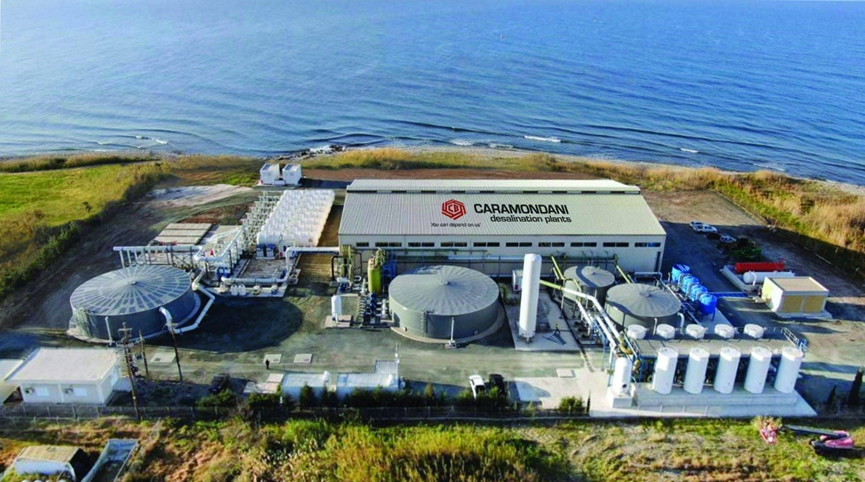
Cyprus faces chronic water scarcity and increasingly severe drought pressure, with EU water-stress indicators repeatedly ranking it among the most water-stressed Member States; as a result, desalination has become a core pillar of drinking-water security and, in recent years, has supplied a substantial share of national potable demand.¹ The Paphos Seawater Desalination Plant is a seawater reverse osmosis (SWRO) facility developed by Caramondani Desalination Plants, with a nominal production capacity of 15,000 m³/day of potable water, delivered under a 25-year BOOT (Build–Own–Operate–Transfer) contract.² This technical visit offers the opportunity to see the key elements of an SWRO production chain in practice, typically including seawater intake and pre-treatment, high-pressure RO and energy-recovery systems, and post-treatment prior to delivery to the distribution system.
¹ European Environment Agency (EEA), “Water scarcity conditions in Europe”. https://www.eea.europa.eu/en/analysis/indicators/use-of-freshwater-resources-in-europe-1
² Caramondani Group, “Caramondani Desalination Plants”.
https://caramondani.com/group/caramondani-desalination-plants